




Your shopping cart is currently empty...
The Hidden Cost Of Messy Cable Management
Published: June 22, 2026

|
|
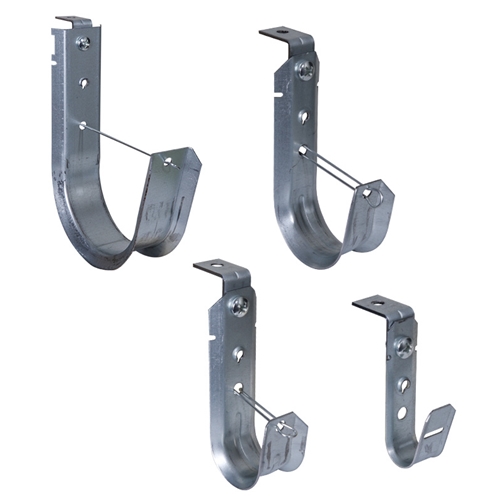
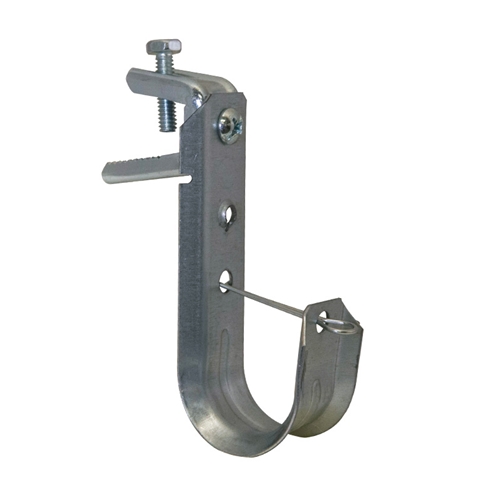
Supported overhead pathways: J-Hooks and Beam Clamp J-Hooks help keep cable runs off the floor, off the ceiling grid, and easier to follow.

|
|
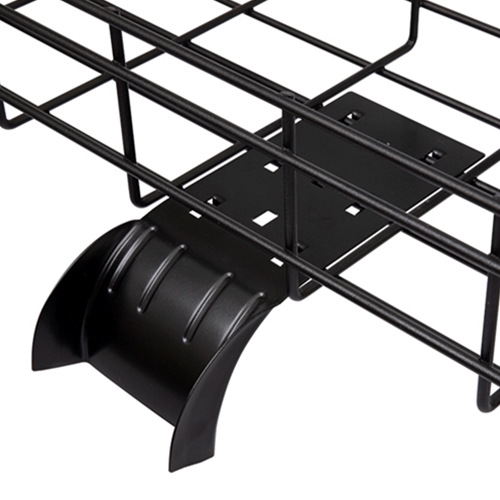
Cleaner building pathways: Wire Basket Tray helps organize larger cable routes and leaves room for future additions.

|
|
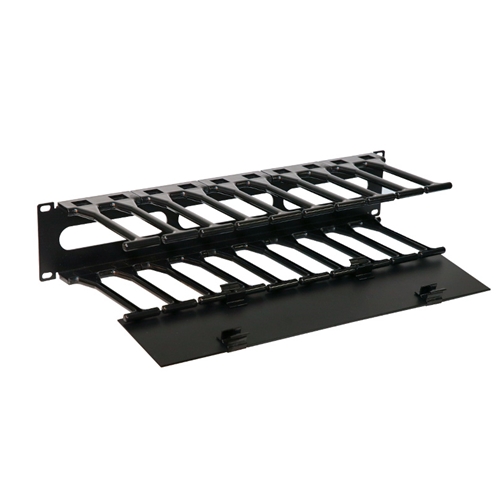
Better rack organization: patch panels and cable managers help keep connections easier to trace, move, and maintain.
|

|
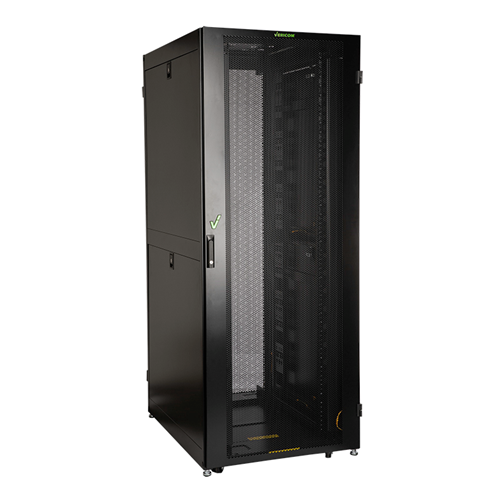
Cleaner equipment spaces: racks and cabinets help protect equipment, improve access, and give the network room to grow.
A Small Mess Can Turn Into a Big Problem
Most people have seen a network closet like this before.
Cables hanging everywhere. Patch cords running in every direction. A few bundles tucked behind equipment. Maybe some cable piled on top of a cabinet because “we’ll clean that up later.”
At first, it may not seem like a big deal. If the network is working, the mess is easy to ignore.
But it is a little like a garage at home. You can still park the car when things are cluttered, but the moment you need to find one tool, move something heavy, or make room for something new, the mess suddenly matters.
Network spaces work the same way. A simple repair takes longer. A small upgrade becomes more frustrating. Finding one cable can start to feel like digging through a junk drawer.
That hidden time and frustration is where messy cable management starts to cost more than people realize.
Clean Pathways Make the Job Easier
Clean cable management is not just about making an installation look better. It makes the space easier to work in after the job is done.
For end users, that can mean faster troubleshooting when something goes down. For installers, it means leaving behind work that is easier to support later. For distributors, it means helping customers choose the products that prevent these headaches before they start.
The idea is simple: give the cable a path and give the equipment room to breathe.
For overhead runs, J-Hooks and Beam Clamp J-Hooks help keep cables supported instead of loosely draped above ceilings or across open spaces. For larger pathways, Wire Basket Tray gives cable runs a cleaner route through the building. Inside the rack or cabinet, patch panels and cable managers help keep connections easier to trace, move, and maintain.
None of those products are flashy, but they do the quiet work that makes the whole network easier to manage.
Airflow, Access, and Future Changes
Cable clutter does more than make a space look rough. It can block airflow, make equipment harder to reach, and turn future changes into bigger projects than they need to be.
In a rack or cabinet, poorly routed cables can crowd switches, power supplies, and other equipment. It is a little like blocking the vents in your house with furniture and then wondering why the room will not cool down.
As the network grows, the problem usually grows with it. More cameras, more access points, more devices, more patching, more fiber, and more “can we add this real quick?” all need space to land.
If the area is already tangled, every addition takes more time. If the cable path is organized, the next change is a lot easier to handle.
Start With the Parts People Notice Later
Cable management usually gets noticed after there is a problem.
Someone needs to trace a line. A switch needs to be replaced. A new cable run needs to be added. A technician opens the cabinet and has to figure out what belongs where.
That is when the right support products make a difference. J-Hooks, Beam Clamp J-Hooks, Wire Basket Tray, patch panels, cable managers, racks, and cabinets help keep the physical layer cleaner and easier to service. They give cables a place to go, reduce unnecessary clutter, and help create a network space that is easier to understand when someone comes back to work on it later.
Messy cable management may not break a network overnight, but it can slowly make every service call, upgrade, and equipment change harder than it needs to be.
A cleaner path gives the network a better foundation. And when the physical layer is easier to manage, the rest of the network is easier to trust.