







Your shopping cart is currently empty...
When Density Rises, Infrastructure Matters More
Published: March 2, 2026

Data Centers Aren’t Quiet AnymoreThere was a time when data centers stayed in the background. They powered systems quietly and most people never thought about the racks behind the scenes. That’s changed. AI workloads, cloud growth, streaming, and connected devices are driving demand at a pace few environments were originally designed for. Demand is accelerating. More compute is being packed into less space, and infrastructure must adapt. When Density Rises, Tolerance DropsHigher rack densities mean more power, more cabling, more heat, and tighter service space. What used to be manageable now requires intention. Overhead pathways must support greater cable volumes. Rack layouts must stay organized. Backbone connections must scale cleanly without disrupting active systems. Small inefficiencies add up fast in high-density environments. A cable bundle that slightly blocks airflow might not matter in a lightly loaded rack. In a dense environment, it can raise temperatures. A poorly labeled panel might only cost a few extra minutes during troubleshooting — until those minutes stack up across dozens of racks. When density rises, small details stop being small. Airflow paths, labeling discipline, cable bend radius, and pathway support all begin to influence uptime. Reliability isn’t something you declare. It’s something you build — starting at the physical layer. The Foundation Behind the HeadlinesAI and high-performance systems get attention, but they only perform as well as the structure supporting them. Clean rack systems. Structured overhead cable routing. Organized copper distribution at scale. High-density fiber aggregation. It’s steady work. It doesn’t make headlines. But it keeps environments stable when pressure rises. Here’s the simple way to think about it: the faster technology moves, the more important the basics become. The physical layer is the part you can see, touch, and troubleshoot. It’s also the part that either supports growth smoothly — or turns it into a maze. At Vericom, we focus on that foundation. From cabinets and ladder rack to copper, fiber, and AV systems, the goal is the same: build environments that stay organized, serviceable, and ready for what’s next. |
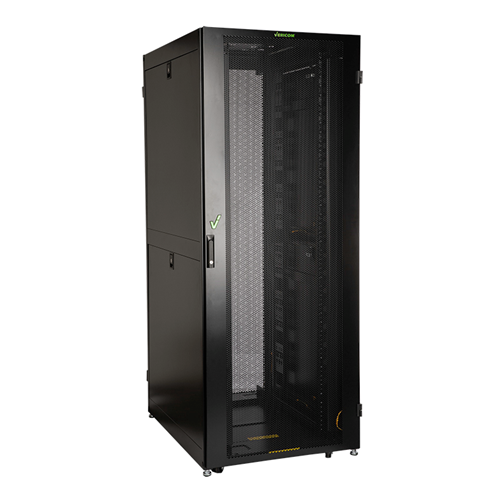
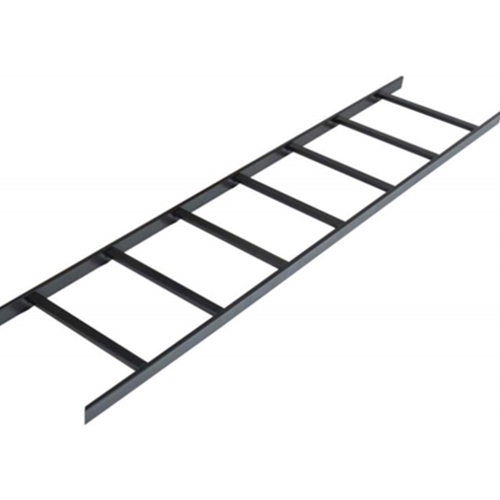
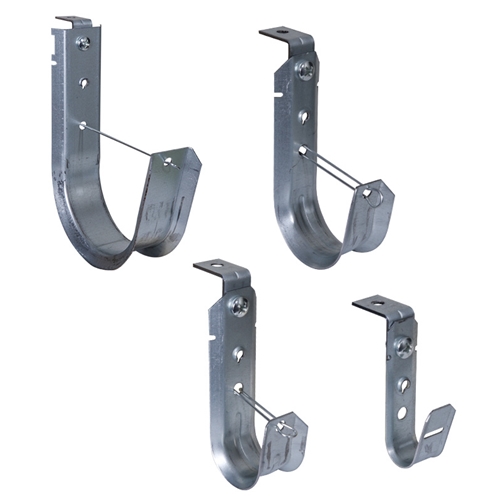
Room-level structure: rack enclosures paired with ladder rack backbone pathways
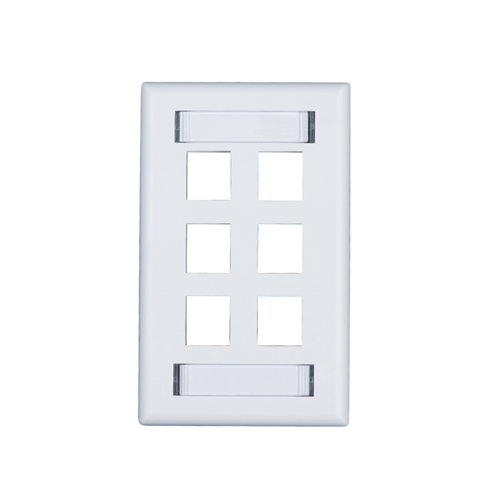
Structured copper distribution: high-density patching and labeled endpoints
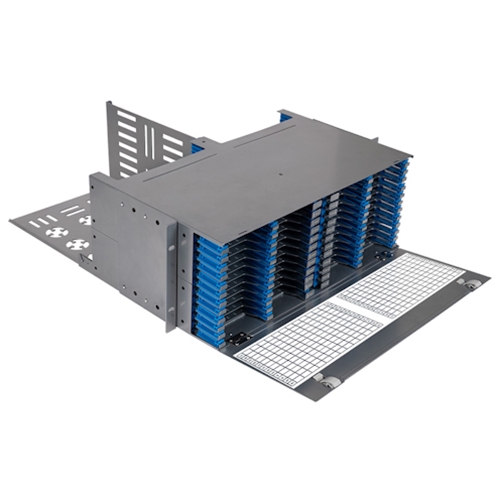
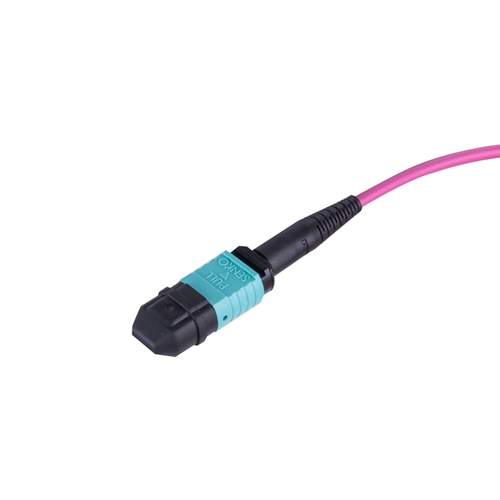
Backbone capacity: modular fiber aggregation with MPO connectivity
Edge & AV environments: enclosed equipment spaces and supported overhead pathways
|