






Your shopping cart is currently empty...
Copper vs. Fiber: When Each Actually Makes Sense in 2026
Published: February 2, 2026

Copper or Fiber
“Copper or fiber?” sounds like a simple question, but it gets complicated because the two are built for different parts of the network.
In 2026, most successful builds use both. The goal is simple: use copper where you need flexibility and power, and use fiber where you need distance and backbone capacity.
What Copper Is Best AtCopper Ethernet (CAT6 and CAT6A) is the go-to for everyday device connections. It is flexible, familiar, and it can carry power and data on the same cable. Copper is usually the right choice when:
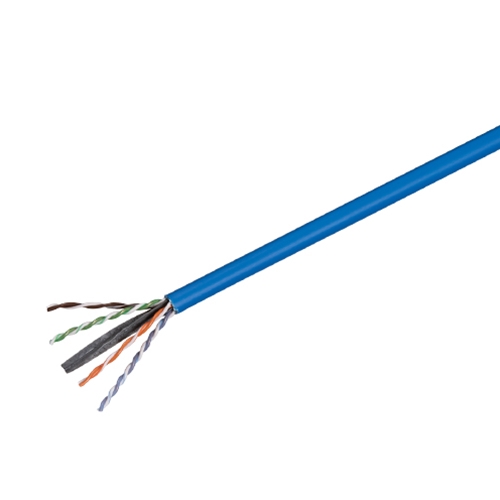
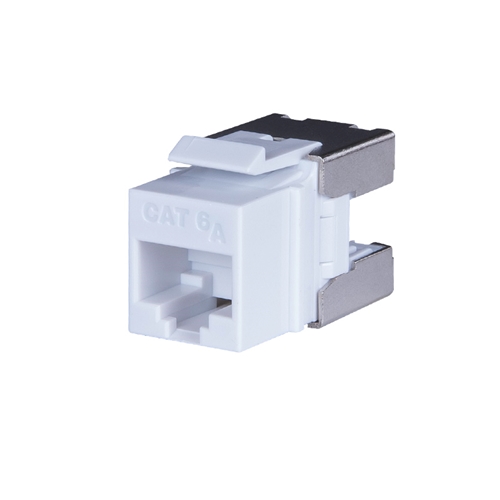
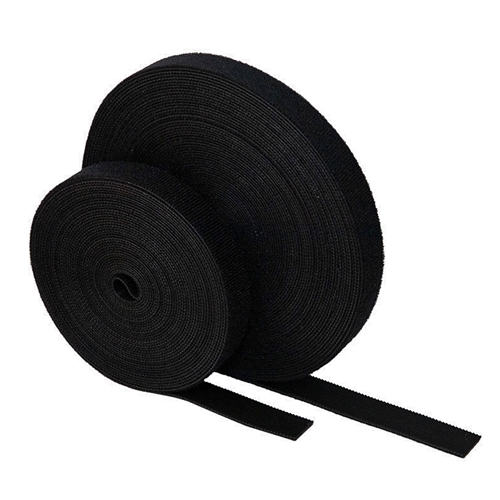
Vericom offers: A broad range of CAT6 and CAT6A bulk cable options, along with matching RJ45 keystone jacks, patch panels in multiple styles and port counts, and cable management accessories to keep copper installs clean and easy to service. What Fiber Is Best AtFiber is built for backbone traffic and longer distances. It does not carry power, but it carries high amounts of data over long runs and it is not affected by electrical interference. Fiber is usually the right choice when:
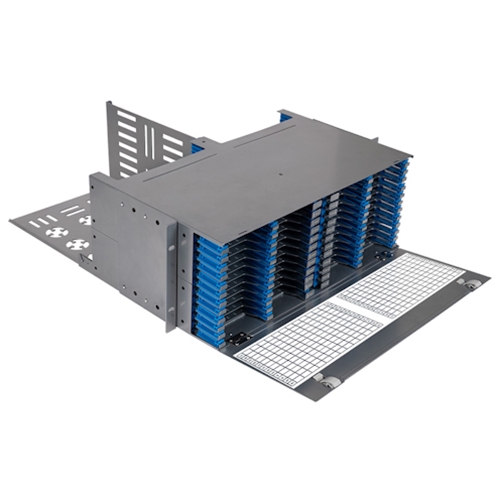
Vericom offers: High-density fiber enclosures and a wide selection of fiber patch cords and connectivity options designed to support clean, scalable backbone deployments. |
Copper install examples: bulk cable options and RJ45 keystone jacks
Copper install examples: patch panels and cable management options
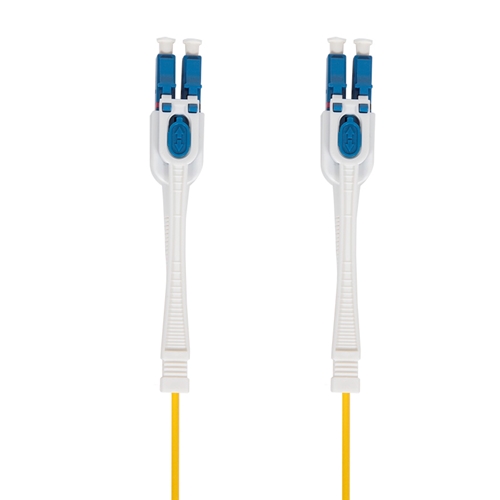
Fiber backbone examples: enclosures and fiber patch cords
|
Quick Decision Guide
| If you need this | Choose this | Best fit locations |
|---|---|---|
| Power and data on one cable (PoE) for cameras, access points, phones | Copper | Offices, retail, schools, multi-dwelling, hospitality, security-heavy installs |
| Everyday device runs within standard Ethernet distance limits | Copper | Most rooms and work areas, desks, IDF-to-device drops, patching in closets |
| Connecting network areas (closet to closet, floor to floor, building to building) | Fiber | Campus networks, hospitals, warehouses, industrial sites, large office buildings |
| High-capacity backbone links that need room to grow | Fiber | Data centers, headends, enterprise cores, aggregation closets, large venues |
| Electrical noise concerns (EMI) or long cable pathways near equipment | Fiber | Manufacturing, utility areas, elevator machine rooms, dense mechanical spaces |
How Fiber and Copper Work Together
A simple way to think about this is transportation.
Fiber acts like the highway system of a network. It moves large amounts of traffic quickly between major points such as equipment rooms, closets, floors, or buildings.
Copper is more like local streets. It takes that connection from the closet switch and delivers data and power to individual devices like computers, access points, phones, and cameras.
The easiest way to summarize it is this: fiber moves the connection between network areas, and copper delivers the connection to powered devices.
One important clarification: fiber does not turn into copper inside a patch panel. Even in modular patch panels that accept fiber and copper keystone modules, the panel itself is passive. The handoff happens at an active device, such as an ONT (common with fiber internet services) or a network switch that has both fiber and copper ports.
A simple real-world flow looks like this:
- Fiber from the ISP or backbone terminates at an ONT or fiber-capable switch
- That device outputs standard Ethernet on copper ports
- Copper patch panels and structured cabling distribute Ethernet to endpoints
- If power is needed, a PoE switch sends data and power over the copper run
This is why most networks use both. Fiber is ideal for long, high-capacity links, and copper is best for the final stretch where everyday connections and power matter.
Final Thoughts
Copper vs. fiber is not a contest. It is a planning decision.
Use fiber for backbone capacity and distance. Use copper for endpoint connections and PoE-powered devices. When they are designed together, the network is easier to support, easier to expand, and ready for what comes next.